
In 1882, at a meeting of the Swiss “Non-Profit Society”, the doctor and factory inspector Fridolin Schuler spoke about the miserable nutritional situation of the factory workers: women workers no longer had enough time to cook for their families, cold meals or alcohol often replaced warm meals; meals were served in factory canteens and were cheap but not sufficiently nutritious. The consequences were malnutrition, stomach diseases, and high infant mortality. Schuler advocated high-protein, easily digestible pulses/legumes. He demanded they should be offered to the working class in a convenient form for quick preparation and at a cheap price. The society turned to the Maggi company, among others.
Julius Maggi experimented for two years with different methods of mechanical and chemical processing of legumes and different mixtures. The results were presented to the representatives of the society on November 19, 1884. They approved the results and signed a contract to exclusively recommend Maggis legumes for a period of three years. Maggi in turn guaranteed a fixed price and regular product controls for sales in Switzerland. However, great success did not follow. The society was accused of representing the interests of a private company. The Maggi company, on the other hand, had difficulties challenging other suppliers of soup flour on the market, despite the support of the society.
Since 1884, Maggi has been offering flour made from protein-rich ,which can be cooked quickly by being roasted beforehand. Maggi was the first to bring protein-rich legume meals to the market, and followed up with a ready-made soup based on legume meals in 1886. After that Julius Maggi introduced bouillon concentrates, first in capsules, then in cubes. In 1897, Julius Maggi founded the company Maggi GmbH in Singen, Germany.
How a '2-Min Maggi Noodle' become famous in India?

How Maggi got its name and became extremely popular noodle brand
Everyone is familiar with Maggi, a ready in 2 minutes noodles. Maggi is extremely popular among children as well as the elderly. However, very few people are aware of when and where Maggi was first made? Who gave Maggi, the two-minute noodles tag? Why was it not banned even after all the controversies? How does Maggi continue to be the choice of millions of hearts even today? Know the full story behind Maggi here.
Julius Maggi, from Switzerland, named the company Maggi in 1872. Experts point out that it was a period of the industrial revolution in Switzerland. At that time, women had to go home and cook after working long hours in factories. In such a difficult time, the Swiss Public Welfare Society had taken the help of Julius Maggie, and Maggi noodles was born under compulsion. In the meantime, Julius named the product after her surname. His full name was Julius Michael Johannes Maggi. In the year 1897, Maggi noodles were first introduced in Germany.
Initially, Julius made a protein-rich food and readymade soup. His physician friend, Fridoline Schuler, helped him a lot, and Maggi, which was formed in two minutes and was very fond of it. By 1912, Maggi went United States and France. But this year, Julius Maggie passed away. Then came 1947, when Nestle bought Maggie and its branding and marketing drove Maggie to every home kitchen.
1. How Maggi got its name
1. How Maggi got its name
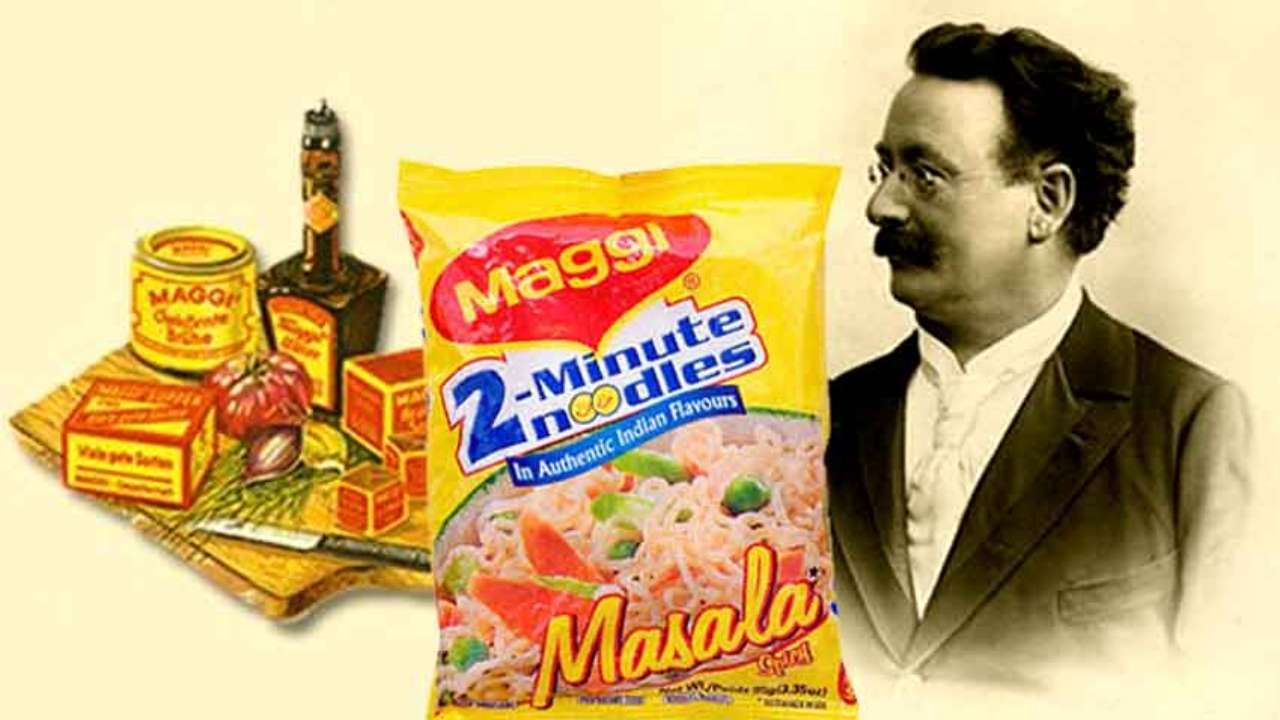
Maggi's entry into the Indian market has been 37 years. Maggi, who came to the market in 1984, would never have imagined herself would get so much love. Nesley India Limited is the only company that brought it to India. Maggie, which is formed in minutes, is like everyone. In 1947, the brand Maggi was merged with Nestle, a Swiss company, which has been The Most Famous Brand of Maggi Nestle ever since. Nestle India spends nearly Rs 100 crore on advertising, with Maggi's highest share. Maggi, one of India's most valued brands, is actually an associate brand of Nestle, a well-known Swiss company, but most people consider Nestle to be the original brand.
2. How Maggi reached every kitchen
3. Nestle's association with Maggi
4. Choice of urban Indians
5. Other Maggi products
 5. Other Maggi products


No comments:
Post a Comment